
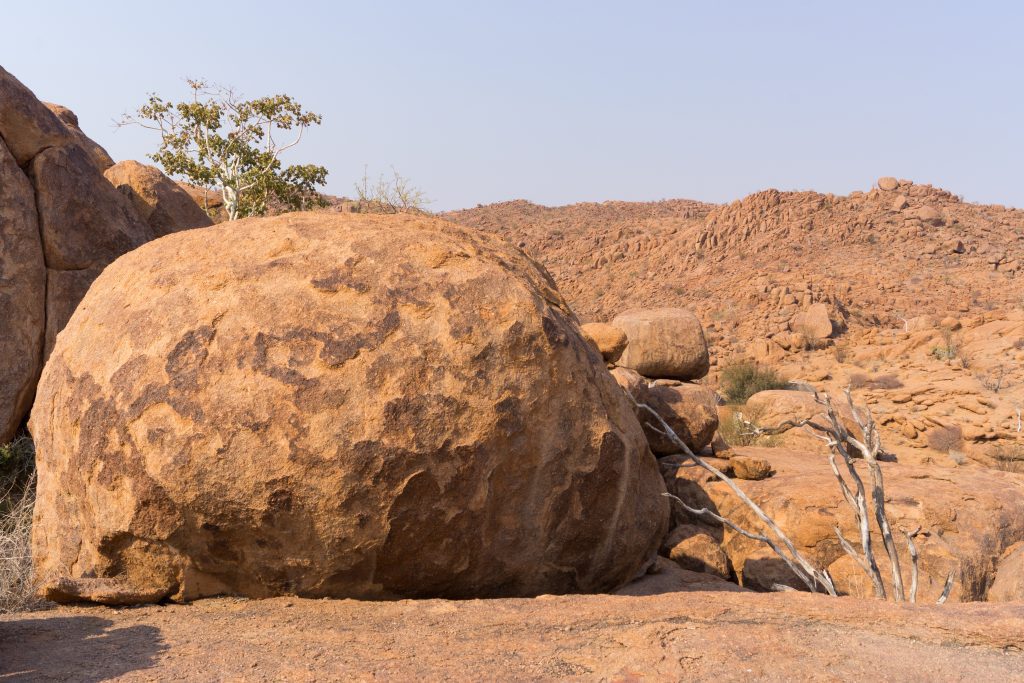
“Kariandusi Prehistoric Site is currently endangered, and the Kenyan populace may slowly be losing invaluable heritage on the history of the early man.”
Today’s travelers are looking for cultural experiences that are personal and feel tailored to their own interests. Museums provide an invaluable space for members of the public to get up close with history and culture, but many people see them as boring or even unnecessary.
That means many museums are missing out on repeat visitors and new visitors who don’t know about upcoming exhibits and events. It is time for museums to reconnect with their local communities and bring people back through their doors. Not just once, but multiple times per year.
In recent months, the COVID-19 crisis has profoundly affected societies around the world, plunging the global economy into a deep recession. With the majority of cultural institutions forced to close their doors, the cultural sector has been one of the most affected. Tourism has largely ceased, impacting surrounding communities both socially and economically, and plunging artists and cultural professionals into a state of extreme economic and social fragility.
Confined populations, unable to share and celebrate their heritage – notably their intangible cultural heritage – have suffered the loss of fundamental and structuring cultural elements of their daily social and individual lives.
Despite the challenges posed by this unprecedented crisis, many cultural institutions and professionals have continued to serve as a source of resilience and support to communities, devising new ways to provide access to culture and education in the context of containment measures. The impact of these closures is not only economic, but also social. Museums play a vital role in our societies. They not only preserve our common heritage, but also provide spaces that promote education, inspiration, and dialogue.
Based on values of respect and cultural diversity, museums strengthen social cohesion, foster creativity and are conveyors of collective memory. Moreover, their role in the promotion of tourism is a key driver of sustainable economic development, both locally and nationally, which will be essential to overcoming the crisis in the coming months and years.
The National Museums of Kenya (NMK) is a state corporation established by an Act of Parliament, the Museums and Heritage Act. NMK’s main role is to collect, preserve, study, document and present Kenya’s past cultural and natural heritages. This is mainly for the purpose of enhancing knowledge, appreciation and its sustainable utilization of these resources for now and posterity. In order to achieve its objectives and mandates, the institution will highly seek to cooperate with relevant stakeholders so as to realize its goals.
One such initiative that the NMK is championing is through a public-private partnership with Wanderlust Diaries – a travel information-sharing network to support travelers through the inspiration and planning stages of the consumer purchase journey by providing information on what, where, when, and how much.
Kariandusi Prehistoric site
NMK signed a Memorandum of Understanding with Wanderlust Diaries to fundraise for Kariandusi Prehistoric site. The Chief Visionary Officer of Wanderlust Diaries, Dr Wala Amakove Elizabeth, was also appointed the patron of Kariandusi Prehistoric Site in October 2021. This public-private partnership promises to open the door for more similar initiatives aimed at conserving and promoting Kenya’s unparalleled natural and cultural heritage.
The Kariandusi Prehistoric Site is amongst the first archeological discoveries of Lower Paleolithic sites in East Africa. There is enough geological evidence to show that in the past, large lakes, sometimes reaching levels hundreds of meters higher than the Present Lake Nakuru and Elementaita, occupied this basin.
Dating back between 700,000 to 1 million years old, Kariandusi is possibly the first Acheulian site to have been found in Situ in East Africa. It is believed that this was a factory site of the Acheulian period as numerous collections of specimens were found lying in the Kariandusi riverbed.
This is the site where the hand axe man was discovered in 1928 by Dr. Leakey, a renowned paleontologist. Kariandusi Prehistoric Site is currently endangered and the Kenyan populace may slowly be losing invaluable heritage on the history of the early man.
The museum is in need of a facelift to encourage engagement with different types of tourists; domestic (most importantly), international leisure travelers, and students in Archaeology, or Paleontology. A phased upgrade to the site to ensure security of the collections and further to offer decent campsite facilities will greatly encourage domestic travelers.
The land around the Kariandusi Prehistoric Site is mainly poor farming soils and generally dry all year round. The main source of income for households there is casual work at the diatomite industry, sale of products along the main Nairobi-Nakuru highway, casual labour at the larger farms at Maji Moto area.
On average, a day’s wage for an adult is Kes 150 (USD 1.5). Many young women and underage girls who are not in school often result to poorly paid domestic labour and sexual exploitation through sex work, serving at the hotspots along the highway like Kikopey, Gilgil, and Pipeline.
“Our Future, In the Past” is an apt description of this project that aims at providing an alternative means of livelihood for female sex workers around the Kariandusi area through training them as community-based tour guides for Kariandusi Prehistoric Site and other tourist attraction sites in the larger neighbourhood. The beneficiaries will also become champions for conservation of the culture and preservation of the ecosystem. Through managing the Curio Shop project, they will earn income for their households, and it is projected that other prehistoric sites and museums will learn from this model.
“Our Future, In the Past”, which is also the tag line for the Kariandusi Prehistoric Site, references the protection of our heritage to model for the future. The idea is to use a hub-and-spoke model of centering the prehistoric site as the start point for the itinerary of the local tourism circuit. This economic empowerment programme will be produced from the views and ideas of sex workers and be managed by the sex workers themselves.
Other partner and stakeholder roles will work with sex workers in order for them to gain the necessary skills to implement these programmes. In addition, we plan to develop the first ever audio guide tool for use by travellers to Kariandusi. This will address the challenge of language barrier as well as assist the travellers who for some reason will not use a tour guide.
The partnership project between Wanderlust Diaries and National Museums of Kenya was about the rehabilitation of Kariandusi Prehistoric Site. The rehabilitation of the site will be a gradual and phased project that should see greater visibility and awareness by the public. The project developed a community-government-private sector hub and spoke of a sustainable model that can be replicated in other museums.
So far, a phased uplift of current infrastructure, training of former female sex workers and community women as community guides and empowerment of their community-based organisation to run commercial enterprises in partnership with the National Museum of Kenya and Wanderlust Diaries is ongoing.
The partnership model of community-based tourism using former sex workers will be the first of its kind in Kenya where it is a female-led and female-owned community tour organization. It is also the first of its kind where it draws a partnership between government (the National Museums of Kenya), NGO life skills provider (Life Bloom Services International), the tourism sector (East Africa Tour Guides and Drivers Association and Wanderlust Diaries) and the community itself (former female sex workers).
The project will also develop an audio guide to address language barrier and/or travelers who will not use a tour guide. To be part of the project, contact Wanderlust Diaries on info@wanderlust-diaries.com and the National Museums of Kenya on publicrelations@museums.or.ke